


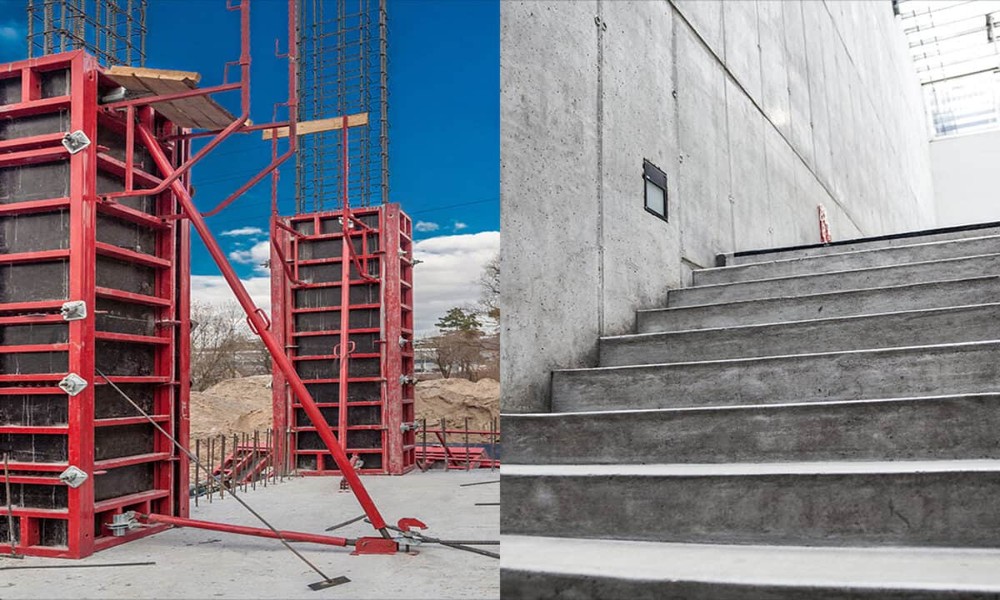
Nothing tests the limits of engineering quite like a complex construction project. When gravity, time, and tight budgets collide, the line between a building’s success and failure often rests on one crucial decision: how to support the structure while it transforms from blueprint to reality. Here’s why the strategy behind temporary supports and permanent reinforcements can dictate not just the safety, but also the bottom line and schedule of a project.
Challenges in Complex Builds: The Need for Support and Reinforcement
Every high-stakes build faces a silent but powerful adversary: structural loads that shift as the project evolves. Complex geometries, multi-level floors, and out-of-the-ordinary architectural features introduce countless stress points. Without proper support, these can quickly become failure points.
Underestimating these challenges or leaning on inadequate support systems does more than risk collapse; it can trigger domino effects. Delays, cost overruns, and even the need to tear down and rebuild sections are painfully common consequences of temporary support failures. The cost of a single critical miscalculation can be measured not just in dollars, but also in months lost and reputations tarnished.
Temporary Support Structures: Purpose and Applications
Temporary support systems, like shoring, bracing, and formwork, are the backbone of safe, flexible construction sequencing. When pouring a concrete slab or erecting a bridge deck, temporary shoring carries the load until the structure can stand on its own. Engineers deploy these systems with surgical precision, customizing them for walls, columns, vaults, tunnels, or multi-story platforms.
These supports offer essential advantages. They allow for phased construction, keep tradespeople safe, and adapt to unique project demands. Yet, their very impermanence can be a liability. If temporary supports are miscalculated or poorly installed, the resulting instability can threaten adjacent structures or even trigger catastrophic collapse.
Permanent Reinforcements: Definition and Role
Permanent reinforcements are the unsung heroes embedded in concrete, steel, or composite materials. Whether through rebar, tension cables, or structural steel, these elements are designed not just to hold the building up today, but to ensure it stands for decades. Integrating permanent systems early can streamline construction, reduce reliance on temporary measures, and offer peace of mind when the weather or site conditions turn unpredictable.
Yet, designing for long-term stability in a world of finite budgets and ambitious visions is no small task. Choosing the right reinforcement method or adapting to last-minute changes in project scope often requires experience and ingenuity from the engineering team.
Comparing Temporary Supports and Permanent Reinforcements
To make the stakes crystal clear, consider how each option stacks up in real project scenarios:
| Criteria | Temporary Supports | Permanent Reinforcements |
|————————————|————————————|———————————-|
| Structural Performance | Designed for short-term loads, must be removed prior to full use | Handles ongoing, lifetime structural loads |
| Cost Over Project Lifecycle | Lower upfront (but recurring if reused or replaced) | Higher initial cost, but no need for removal |
| Flexibility/Adaptability | Highly adaptable to sequencing changes | Less flexible after installation |
| Risk of Failure | High if not monitored rigorously | Low if designed/executed well |
Temporary supports keep projects moving but come with time-sensitive risks. Permanent reinforcements lock in safety for years, though at a steeper initial price.
Decision-Making Criteria: When to Use Temporary vs. Permanent Solutions
Deciding between temporary and permanent solutions is rarely black and white. Project scope, timeline, and budget all weigh heavily. For example, a rapid turnaround on a commercial high-rise may favor heavy reliance on temporary shoring, while critical infrastructure like bridge abutments may warrant early integration of permanent reinforcement. Thorough engineering assessments and risk analyses, such as those provided by an ingénieur étaiement NadeauSDM, help identify vulnerabilities and recommend the right mix.
Case studies from complex bridge projects and multi-level towers show that hybrid approaches, where temporary supports are strategically sequenced to complement permanent reinforcements, often yield the best safety and efficiency outcomes.
Integrating Temporary and Permanent Systems: Hybrid Strategies
Success in complex builds often hinges on how well temporary and permanent systems are coordinated. Sequencing is everything. Temporary supports should be easy to remove once permanent elements are cured or installed, yet sturdy enough to prevent accidents during the transition. Clear communication between trades and robust safety protocols are essential at these critical junctures.
Material optimization is another win. By staging the removal of temporary supports as permanent reinforcements gain strength, teams can free up materials and labor for other project areas, reducing waste and controlling costs.
Actionable Guidelines for Complex Construction Projects
A few best practices can help teams navigate these engineering puzzles:
– Conduct a rigorous structural analysis before finalizing any support plan.
– Choose support systems that suit both current loads and the next phase of construction.
– Install and monitor supports per manufacturer and engineer guidelines.
– Create contingency plans for unexpected load shifts, weather events, or sequencing changes.
Monitoring systems (like load sensors or visual inspections) are invaluable to catch issues before they escalate.
Future Trends and Innovations in Support Technologies
The future of support structures is as dynamic as the projects they serve. High-strength composite materials, modular shoring systems, and digital project management tools are raising the bar. Building Information Modeling (BIM) is streamlining design and clash detection, minimizing surprises on-site. Meanwhile, the push for sustainability is inspiring more efficient, reusable temporary systems and smarter choices in permanent reinforcement materials.
In the end, success in complex construction is less about choosing sides in the temporary versus permanent debate, and more about crafting a thoughtful, flexible support strategy that adapts as the build unfolds.

