


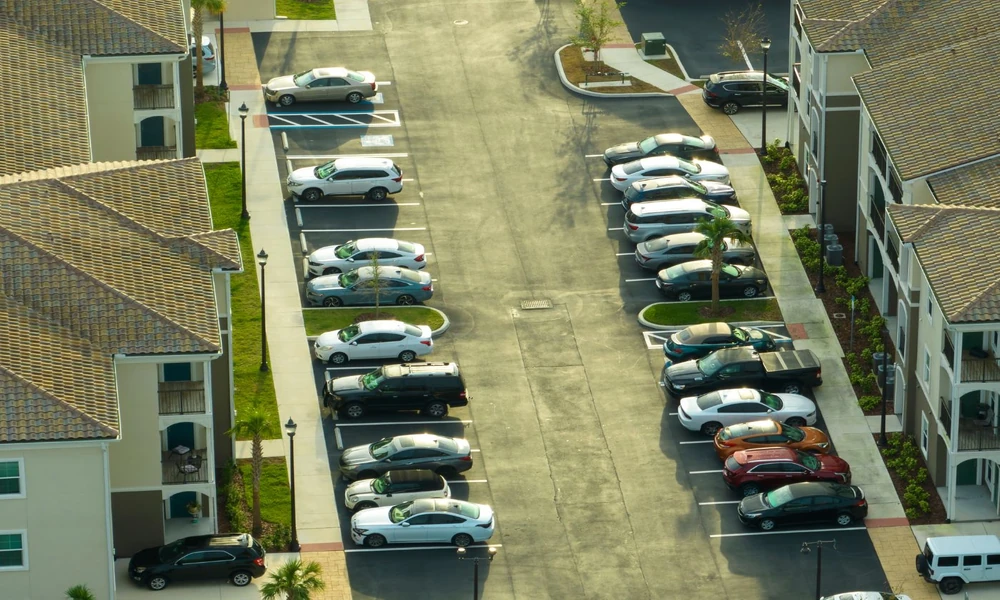
Guest parking generates more complaints than almost any other issue property managers face. Residents expect spaces to be available when friends and family visit. Unauthorized vehicles occupy spots intended for legitimate guests. Enforcement creates confrontations that strain relationships between management and the community. The paper-based systems many properties still use cannot keep pace with the complexity that modern residential parking demands.
Understanding how digital solutions transform guest parking helps communities replace frustration with predictable processes that serve everyone fairly.
Recognizing Common Guest Parking Problems
Residential communities struggle with guest parking for reasons that compound each other. Without reliable tracking, property managers cannot distinguish authorized visitors from unauthorized vehicles occupying spaces indefinitely. Residents who cannot find parking for their guests blame management for failures that stem from systemic problems rather than individual negligence.
Abuse of guest parking privileges creates additional complications. Some residents register vehicles as guests to avoid resident permit requirements. Others allow acquaintances to park long-term under the pretense of temporary visits. These behaviors reduce availability for legitimate guests while undermining community rules.
Paper permit systems cannot prevent these problems effectively. Handwritten logs get lost or falsified. Physical permits get copied or shared. Staff members spend hours managing processes that still fail to control unauthorized parking.
Implementing Digital Permit Systems
Digital parking management replaces paper chaos with electronic records that track every vehicle, permit and parking event accurately. Guests register their vehicles online through smartphone-accessible systems available around the clock. The registration creates records that enforcement personnel can verify instantly.
Property managers gain oversight capabilities that paper systems cannot provide. Dashboards display how many guest permits have been issued, which residents requested them and how long vehicles have been registered. This visibility reveals patterns that indicate abuse before problems escalate.
Choosing trusted companies like Online Parking Permits ensures access to software designed specifically for residential community challenges. Their platform allows community managers to oversee the number of guest permits issued, limit the total number of permits available and limit the number of days a permit may be purchased. These controls prevent the abuse that unmanaged systems inevitably experience.
Empowering Residents With Self-Service
Traditional guest parking requires residents to visit leasing offices during business hours to obtain permits. This inconvenience frustrates residents whose schedules conflict with office availability. Weekend visitors arrive before Monday permits can be issued. Evening guests cannot be registered after staff leaves for the day.
Digital systems provide self-service access that operates continuously. Residents register guests from their phones at any hour without staff involvement. The convenience improves resident satisfaction while reducing workload for property management teams overwhelmed by parking administration.
The self-service model shifts responsibility appropriately. Residents who register guests assume accountability for those visitors’ compliance with parking rules. This accountability discourages the casual abuse that anonymous paper permits enable.
Establishing Clear Enforcement Boundaries
Effective guest parking management requires enforcement that residents perceive as fair and consistent. Arbitrary enforcement creates resentment that damages community relationships. Inconsistent enforcement encourages violations by suggesting consequences rarely materialize.
Digital systems provide enforcement personnel with real-time information about which vehicles hold valid permits. This data eliminates guesswork that leads to mistakes. Vehicles without valid registrations can be cited or towed confidently because records confirm unauthorized status.
The clarity benefits everyone involved. Residents understand exactly what rules apply. Guests know how to comply. Enforcement personnel can act decisively because documentation supports their actions. Property managers face fewer appeals because decisions rest on verifiable records rather than subjective judgments.
Generating Revenue While Solving Problems
Guest parking programs can generate ancillary revenue that offsets management costs or funds community improvements. Modest fees for guest permits create income while discouraging frivolous registrations that would otherwise consume available spaces.
Revenue generation works best when fees remain reasonable enough that residents view permits as affordable conveniences rather than burdensome expenses. Communities must balance income potential against resident satisfaction to avoid creating new complaints while solving existing ones.
The revenue opportunity helps justify investment in parking management systems. Software costs that might seem difficult to approve become easier to accept when permit fees cover implementation expenses and generate ongoing returns.
Transforming Parking Into an Amenity
Well-managed guest parking becomes a community amenity that attracts and retains residents. The ability to host visitors without parking anxiety represents genuine value that differentiates properties in competitive rental markets.
Communities that guarantee guest parking availability demonstrate management competence that residents appreciate. The professionalism extends beyond parking to suggest that other aspects of community operations receive similar attention.
This transformation requires commitment to systems that actually solve problems rather than merely documenting failures. Digital parking management provides the tools communities need to deliver guest parking as the reliable amenity residents expect rather than the frustration they currently experience.

