


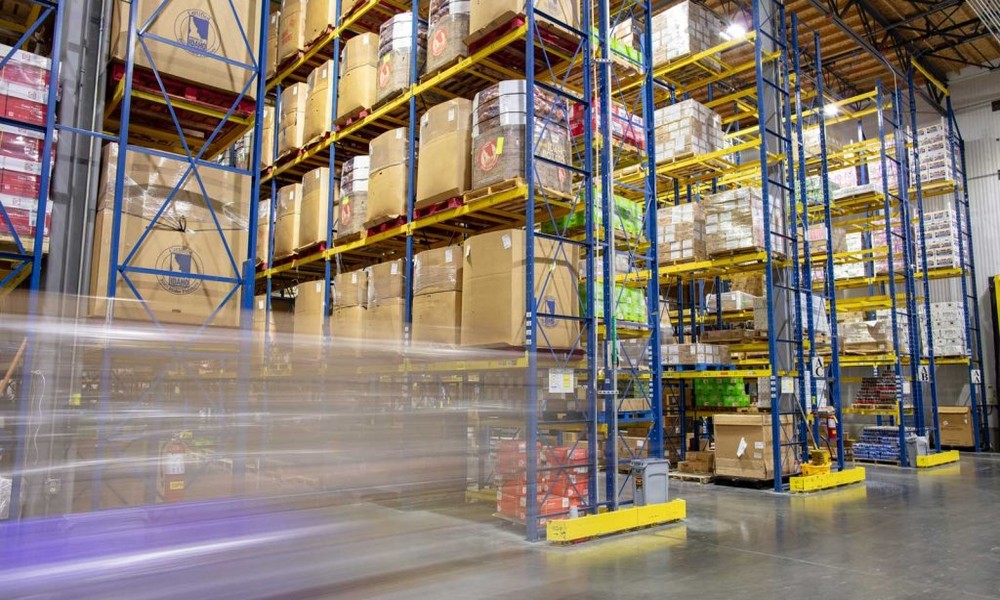
The difference between a supermarket shelf fully stocked with fresh produce and one facing empty gaps often boils down to the unseen efficiency of food distribution hubs. These nerve centers make or break supply chains, impacting everything from food safety to profitability. But what truly defines “efficiency” in this specialized sector, and how can architecture, technology, and strategy work together to raise the bar?
Defining Efficiency in Food Industry Distribution Hubs
For food industry distribution hubs, efficiency means far more than speed. It is the ability to move perishable goods swiftly while minimizing waste, maintaining product integrity, and controlling costs. Metrics like order fulfillment time, spoilage rates, energy consumption, and throughput volume are standard yardsticks. Yet, each metric gains complexity when applied to food distribution, where temperature control and food safety become mission-critical.
Metrics for Measuring Efficiency
– Order Accuracy Rate: Mistakes can have food safety consequences, so a near-perfect accuracy rate is vital.
– Average Delivery Time: Delays may lead to spoilage or missed retail windows.
– Product Loss and Waste: Shrinkage due to spoilage, misplacement, or handling errors needs constant monitoring.
– Energy Use per Unit: Cold storage and HVAC make food hubs energy-hungry, so tracking kilowatt-hours per pallet is essential.
Unique Challenges in Food Distribution
What separates food hubs from their industrial counterparts? Perishability, regulatory scrutiny, and variability in product types demand far more than generic warehouse solutions. For instance, dairy, meat, and produce each have unique handling and storage requirements, often forcing distribution centers to act as a collection of mini-hubs within one building.
Architectural Approaches to Distribution Hub Design
A standard warehouse might handle boxes and pallets efficiently, but food requires a more specialized approach. Traditional layouts can become bottlenecks when multiple temperature zones, cross-docking, and hygienic workflows are layered on top.
Traditional Warehousing vs. Specialized Food Hubs
While conventional warehouses prioritize open space and simple rack systems, food distribution centers integrate insulated zones, rapid access loading bays, and wash-down-friendly materials. This specialization is essential for food safety and compliance.
Modular and Scalable Layouts: Flexibility in Operation
Designing with growth in mind is non-negotiable. Modular layouts allow operators to expand or contract refrigerated sections based on seasonal demand. Flexible layouts also support shifts in product mix, giving hubs the agility to handle new trends, like rapid adoption of plant-based foods or meal kits.
Technology Integration: Automation and Smart Systems
Digital transformation is sweeping through the food sector, and distribution centers are no exception. Automated Storage and Retrieval Systems (AS/RS), conveyor systems, and smart temperature sensors now define the cutting edge.
Automated Storage and Retrieval Systems (AS/RS)
Automated systems enable precise control and rapid movement of goods, reducing human error and labor costs. They are especially valuable for managing chilled and frozen products, where minimizing door openings preserves temperature stability.
Temperature Control and Monitoring Technologies
Real-time monitoring ensures products stay within safety parameters from dock to dispatch. Data logs also provide audit trails for regulators and clients, adding a layer of trust.
Comparative Efficiency Gains: Manual vs. Automated
| Feature | Manual Operations | Automated Systems |
|—————————-|——————|——————|
| Labor Cost | High | Lower |
| Order Picking Speed | Moderate | High |
| Temperature Integrity | Variable | High |
| Traceability | Basic | Advanced |
| Upfront Investment | Low | High |
Automation tends to demand a larger upfront investment but consistently delivers faster, safer, and more accurate handling of food products.
Location and Logistics: Strategic Positioning
Where a distribution hub sits on the map can make or break its performance. Urban proximity slashes delivery times, while rural sites offer lower land costs and more elbow room.
Urban Proximity vs. Rural Space Availability
Urban centers allow for quick last-mile delivery, crucial for perishable goods. However, high land and construction costs may limit size. Rural or exurban sites, on the other hand, offer more space for expansion and potentially cheaper operations, though they may increase transportation times.
Transportation Network Integration: Road, Rail, and Beyond
Proximity to major highways, rail lines, and even ports is crucial. Integrating multimodal transport can optimize routes and costs, ensuring that product moves efficiently from supplier to shelf.
Sustainability and Energy Efficiency Considerations
Sustainability is no longer a nice-to-have in food logistics. Green building certifications and renewable energy investments are becoming standard fare.
Green Building Practices in Food Distribution
Eco-friendly construction materials, skylighting, and water reclamation systems all contribute to lower environmental impact. Some new hubs even earn LEED certification, signaling a commitment to sustainability.
Renewable Energy Use and Waste Reduction Methods
From solar panels powering refrigeration to advanced waste sorting and composting systems, the best distribution centers now intertwine efficiency and environmental responsibility.
Case Studies: Comparing Leading Food Distribution Hubs
No two food hubs are identical, but lessons from the best can inform future projects. For instance, Stendel + Reich architecte centre de distribution has overseen sophisticated projects like Franklin Empire and Ecoparc, which integrate state-of-the-art automation alongside modular temperature zones. The Colabor and Canac centers demonstrate how scale and standardization can help manage vast product arrays, while confidential client projects highlight the importance of custom, client-specific solutions. What unites these leaders is an unwavering focus on flexibility and food safety.
Balancing Cost and Performance
Every design decision is a trade-off between upfront capital and long-term savings. Investing in automation, for instance, pays off through lower labor costs and improved accuracy, but demands a higher initial outlay. Modular expansions defer spending until justified by demand, making them a favorite among risk-averse operators.
Future Trends: Designing for Resilience and Adaptability
If the pandemic taught the food industry anything, it is the need for resilient, adaptable infrastructure. The next generation of hubs will be designed to withstand supply chain shocks, incorporate predictive analytics, and seamlessly integrate AI for everything from inventory management to route planning. The leaders of tomorrow are building not just for today’s needs, but for whatever comes next.

